A moment from Stranger with a Camera that stuck out to me was at 12:34 when Barret, the filmmaker, stated that she acknowledged she was well-off compared to many of those in her community and those she documents. This caught my attention as it reminded me of Coles’ theory of location and showed her position in relation to the documentary and how that shapes the story she is telling. This moment reveals tension as her differing location and viewpoint may affect what she chooses to document versus what she chooses to exclude. By outwardly stating her position and its contrast to the position of many in her community, Barret recognizes her own biases and engages in self-scrutiny, bringing awareness of the influence this has on her work and how audiences will engage with it, which is a way she tries to grapple with the tensions the differing positions can cause.
Similarly, Robert Coles reflects on a conversation he had with Dr. Kenneth Clark, where he invites Coles to recognize that his privileges give him a sense of protection and bias. Clark explains to Coles that if he were Black and poor, he would have a different point of view on his documentary work and subject. Coles then states, “There I was, in pursuit of some objective truth, so I thought…”, showing recognition of his position, privilege, and how his background influences his work (61). Both Coles and Barret explicitly state their privilege compared to those around them and the impacts and tensions it can bring to their work.
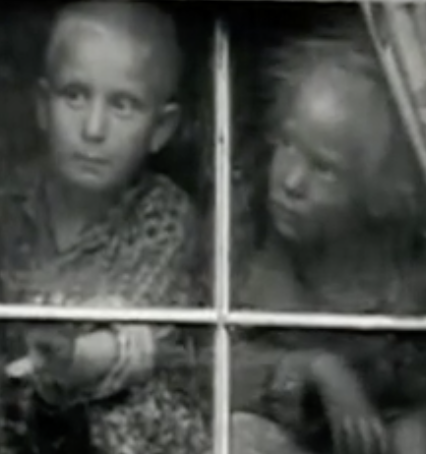
Something Barret does to try to combat this tension throughout the film is by addressing the ethical problems that can result when documenting poverty, as seen at 31:00. At this moment, she recognizes there is a problem and wonders “what could have been done differently to show the problem”, without physically seeing the struggling people in hopes of limiting their embarrassment. (Barret 31:24). She understands the shame that may be accompanied by how their living conditions are shown and the backlash from audiences that they can experience. By reflecting on these issues and questions within film, Barret demonstrates that although she has a differing location from her subjects, she acknowledges their challenges and the tensions involved, aiming to represent them respectfully.

Leave a Reply