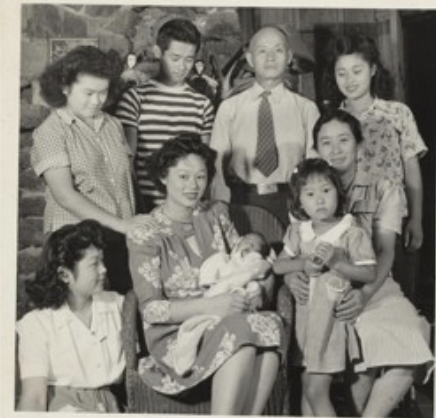
When photographing, it was important for Dorothea Lange to be able to show democracy, total representation of all citizens, according to Linda Gordon’s “Dorothea Lange, A Life Beyond Limits. Lange photographed many families throughout World War II, so their stories would not remain untold. One image this is prevalent in is her image titled The Yamasaki family from Granada Relocation Center pose for their picture, as this image depicts three generations of the Yamasaki family who were evacuated to the Granada Relocation Center. This photo demonstrates Lange’s idea of democracy because at first glance, this seems like an ordinary family, trying to make the most of the situation they are in. But this image also acknowledges the families’ hardships as a representation of all the suffering families at this time. Lange “believed that an imagery of democracy could contribute to building political democracy and… an active democratic citizenship,” and this photograph reflects that belief by giving visibility and respect to those the government tried to silence by forcing them to leave their homes (Gordon, Intro, last page). Through her respectful portrayal of the Yamasakis, Lange photographs them in the same way she would photograph any other family of every culture, reminding viewers that equality depends on acknowledging each person’s value and individuality.
Another aspect of Lange’s identity and location that influences this photo is motherhood. Although her own experience with motherhood was complex and at times conflicted, it deeply informed the empathy and passion in her work. The theme of family and motherhood is very prevalent in this image as it demonstrates the Yamasaki family’s close bond and caring relationship. Similar to Lange’s family, even though they faced rough times, they remained resilient and cared for each other, which impacted her photography.
Furthermore, Coles reflects on Lange’s photography, noting that her pictures “would make the particular universal that would bring us within a person’s world rather than keeping us out” (Coles 104-106). This idea is seen through Lange’s image of the Yamasaki family as she uses one family’s experience, turning it into a personal story that can resonate with many people and families, humanizing their experience and hardships. Without her work, the story of this family and their strength and connection would not have been shown, and inspired the lives of so many people.
Leave a Reply